Quick Answer: Invisalign® is a versatile orthodontic system with the capability to correct both bite differences and tooth crowding. The system corrects overbite and underbite using a combination of attachments, elastic bands, and mandibular advancement techniques. For crowding, treatment is less complex and involves gradually moving teeth using advanced medical-grade plastic aligners.
How Invisalign Works
Doctors created Invisalign nearly thirty years ago, and the system remains the most tested and popular clear aligner brand. The Invisalign concept involves wearing a progressive series of clear plastic aligners for a few weeks each. As patients move on to subsequent aligners, tooth positions gently and gradually change.
The Design Process
To create your aligner series, we scan your hard and soft oral tissues with an intraoral camera. This small handheld device moves easily around your mouth and takes digital images of every feature. Advanced CAD/CAM software stitches these photos into a full 3-D digital model of your mouth.
Using the digital model, we plan the tooth movements needed to achieve your smile goals. We create graduated designs that gradually move your teeth to their final positions. Incremental movements over time will provide gentle, constant pressure on your teeth.
On average, Invisalign takes about 12 to 18 months to correct most orthodontic issues, comparable to the time frame of traditional braces. Simple cases like gaps and minor crowding could be even faster.
Invisalign and Your Dental Bite
Many of our patients ask whether Invisalign can treat bite discrepancies. The answer is yes, it can correct mild to moderate issues. Severe bite problems or those involving jaw differences may require treatment with traditional braces.
Since teens’ jaws are still growing, Invisalign bite correction may be quicker and more effective. Adults with fully grown jaws can still use this system, but it may take longer.
How Invisalign Corrects Overbite
A proper dental bite is vital to your oral health. When teeth don't meet as intended, they can experience excessive wear, jaw pain, speech and chewing problems, and a higher risk of gum disease. A small overbite (about 2 to 4 millimeters deep) is ideal and allows for full dental function. Anything deeper than that may need treatment.
To correct an overbite, your orthodontist will need to correct alignment issues that keep the teeth from meeting as they should. We use small, tooth-colored attachment points, or “buttons,” where we can attach small elastic bands. Over time, the bands gently guide the teeth into more harmonious positions.
Correcting Underbite With Invisalign
Underbite correction is similar to overbite correction, but the attachments and elastics make adjustments in the opposite direction, moving the bottom teeth forward until they meet the top teeth properly.
Relieving Crowded Teeth With Invisalign
Crowding is one of the most popular reasons patients choose Invisalign. The system works well for crowded teeth because it applies gentle pressure to create more room for existing teeth. Severe crowding and “wolf teeth” (where a tooth erupts above the others) may still require braces treatment for best results.
Making the Best Choice for Your Smile
In this blog, we presented options for your tooth alignment issues. If you have questions or concerns, we invite you to schedule a consultation with one of our doctors, who can examine your smile and oral health. We want you to love your smile, and we want you to achieve this with as little hassle as possible. Rely on an orthodontic provider to help you build a dazzling smile.
Frequently Asked Questions About Invisalign
Which is better: getting Invisalign from a dentist or an orthodontist?
Dentists may have experience prescribing this system, but only an orthodontist can show you all your options. You may come into a consultation convinced you need Invisalign, but we have additional insights that could lead you to choose another option based on your tooth alignment and oral health. Orthodontists also spend years after dental school studying how tooth alignment works and how to change it, giving them more knowledge to work with.
Do I have to wear a retainer after clear aligner treatment?
Only if you want to keep your results permanently. If you stop wearing your aligner at any time, your teeth could drift back to their old positions, wasting your investment in time and money. Wear your aligner consistently and experience the benefits.
Can I eat while wearing my aligners?
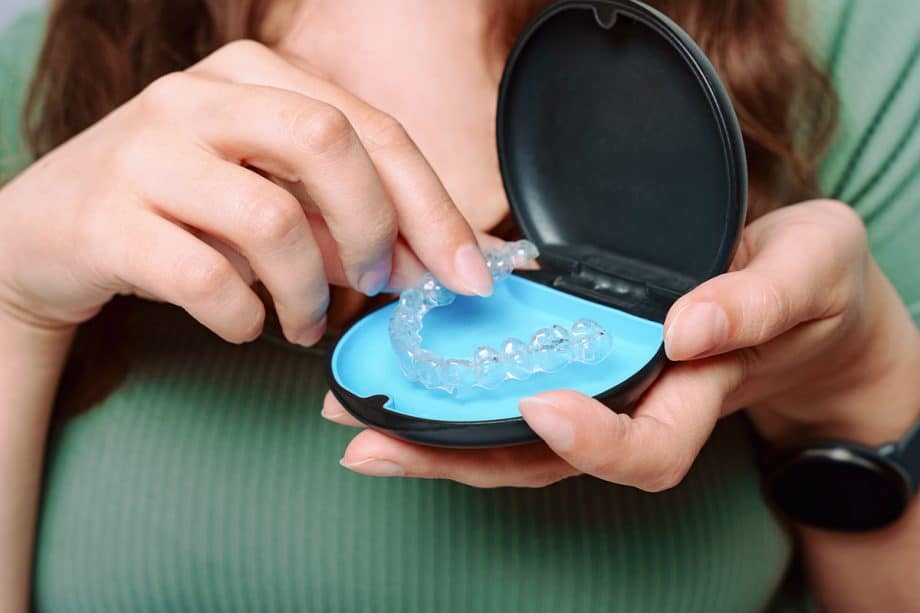
You will need to remove your aligners when eating any food or when drinking anything but cool water. The bright side is that with Invisalign, you have no food restrictions when you are not wearing your aligners. Just make sure you always keep your aligners in their case when they are not in your mouth, and clean your mouth thoroughly after each meal and snack.
If my bite issues are too complex for Invisalign, how would you treat them?
We would create an individual treatment plan based on your tooth and jaw positions and your oral health. Most patients with moderate overbites or underbites do well with braces alone or in combination with elastics. However, some patients with crossbites need braces. If you have a jaw development issue or airway concern, there is a chance you will need corrective jaw surgery to achieve a healthy, symmetrical smile.
Which is more expensive: braces or Invisalign?
The two systems cost about the same. Braces may be slightly less expensive for simple cases such as minor crowding. When choosing between braces and Invisalign, we will help you decide based on your oral health needs, budget, and insurance coverage.
At Hass Family Orthodontics in Conover, NC, we provide expert Invisalign treatment for you or your teen. Even if you have a dental bite issue or crowding, you don’t always need to get standard braces. Reach out to schedule an appointment today, and we can show you how Invisalign can transform your smile.